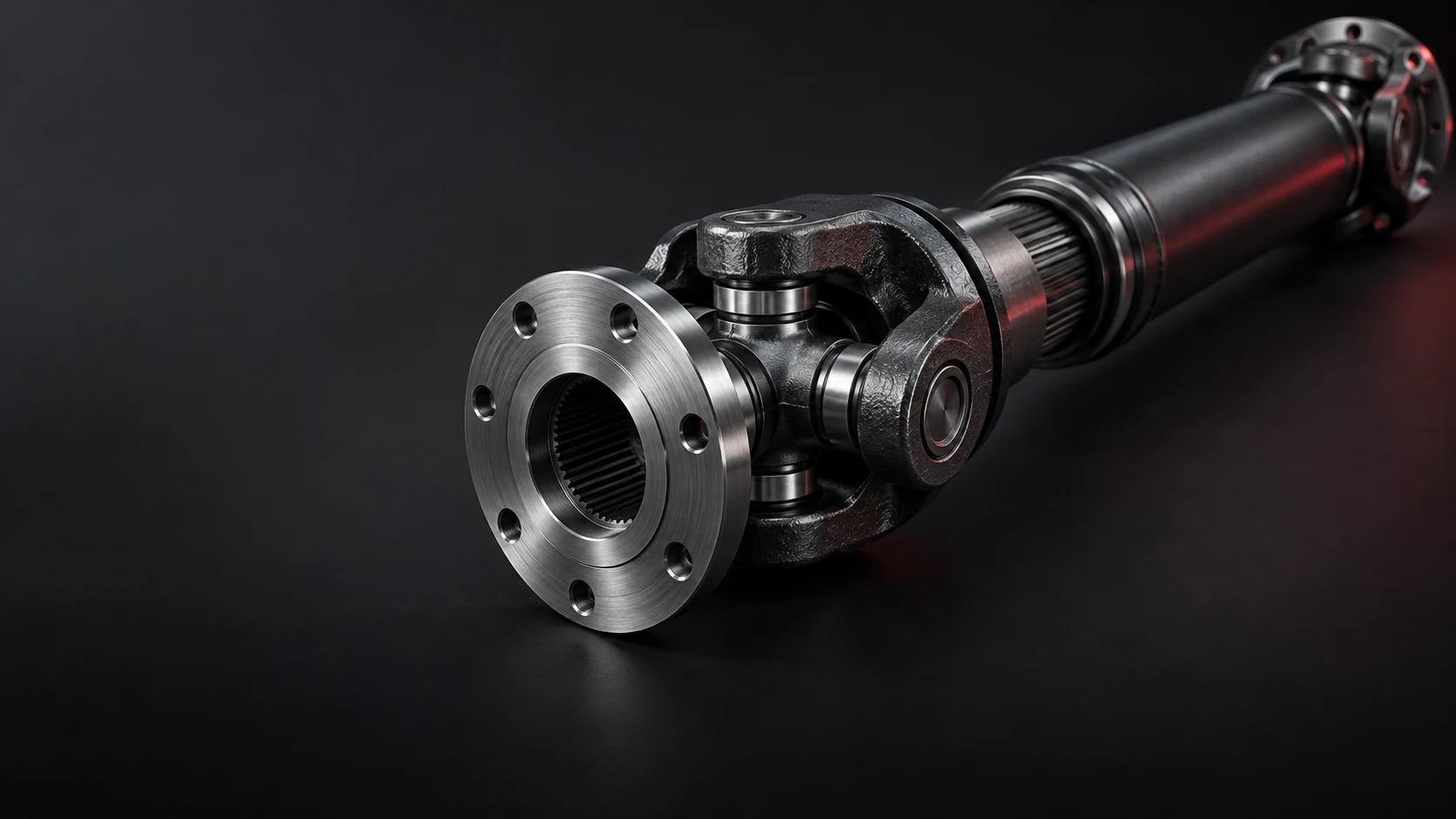
Repair. Manufacture. Balance.
Driveshafts
Repair using factory processes and manufacture from a sample or drawing. Driveshaft balancing up to 6 m long and 500 kg.
Explore driveshaft services
ALWAZEN INDUSTRIES / Saudi Arabia
For transport and industry.
Feasibility is confirmed after a technical assessment of the component.
Driveshaft repair and rebuilding using factory processes.
Dynamic balancing of industrial rotors and turbine rotors up to 500 kg. Laser alignment of rotating machinery.
Built around your component
A high-technology industrial enterprise combining engineering research, manufacturing and service. Deep digitalisation and global development.
Repair. Manufacture. Balance.
Repair using factory processes and manufacture from a sample or drawing. Driveshaft balancing up to 6 m long and 500 kg.
Explore driveshaft services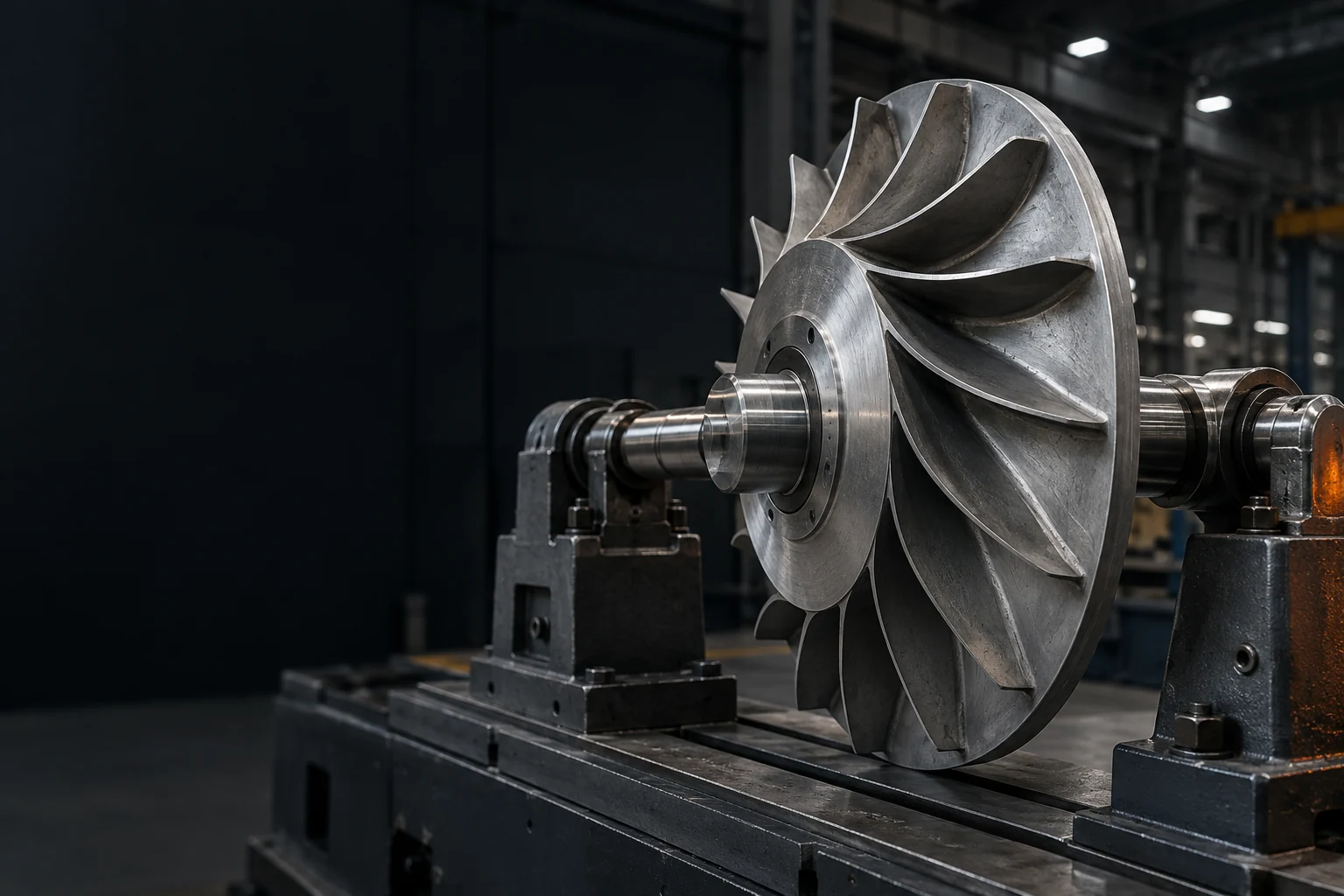
Measure. Correct. Verify.
Fans, impellers and turbine rotors up to 500 kg. Acceptance is subject to geometry, speed and safe mounting.
Discuss a rotor01 / Industrial services
Start with the part, its condition and operating requirements. We define the scope before work begins.
Repair and rebuilding using factory processes: inspection of joints, play and straightness, with component repair or replacement to the agreed scope.
Provide the vehicle or equipment model, shaft length, flange photos and a description of when vibration occurs.
Manufacture and assembly of cardan and drive shafts to agreed dimensions and application requirements.
A drawing or sample, mounting dimensions, torque and operating speed are needed to define the design and materials.
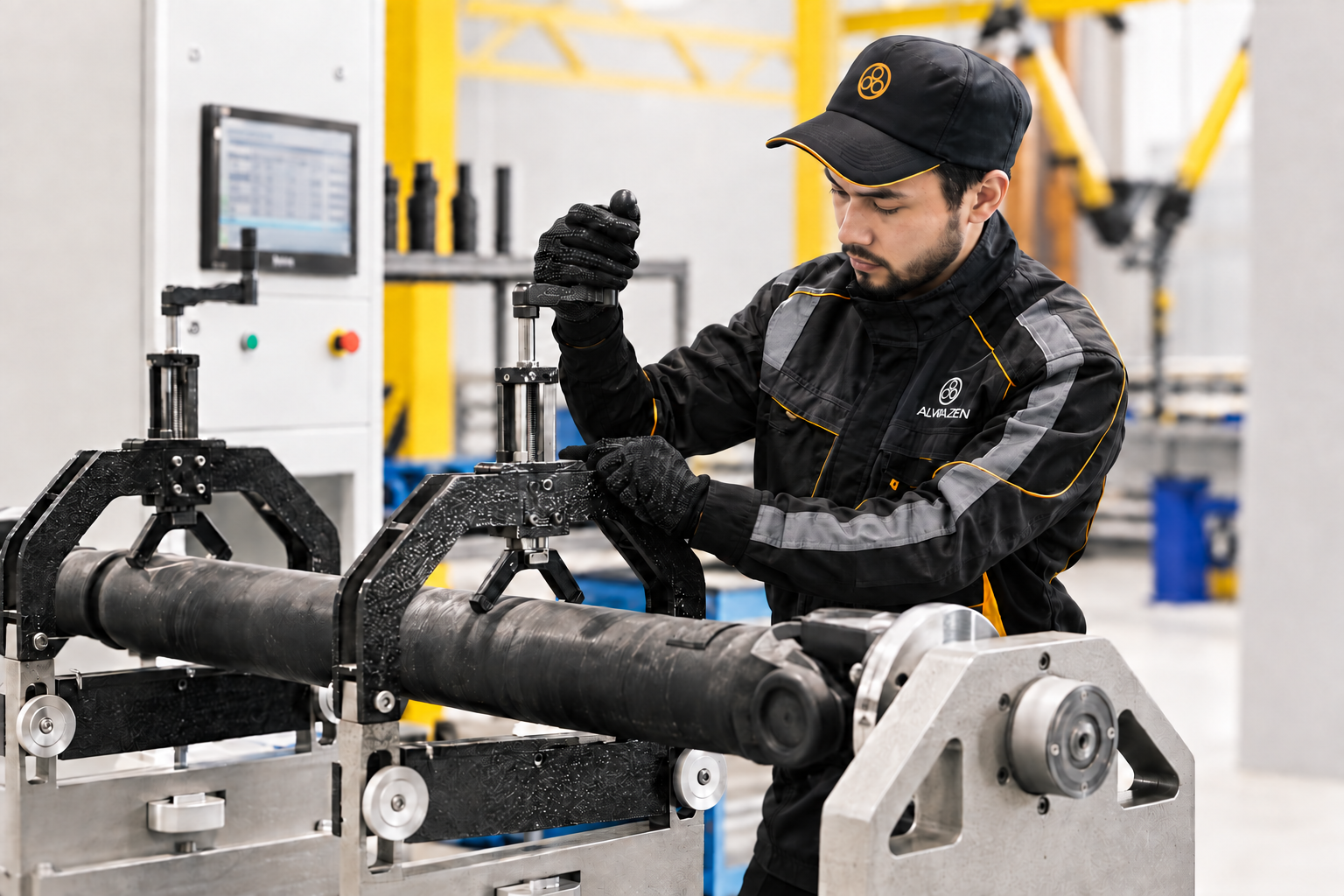
Dynamic balancing of assembled driveshafts up to 6 m long and 500 kg in mass. Mounting and operating speed are confirmed during technical assessment.
Provide shaft length, mass, operating speed, connection type and the condition of moving components.
Dynamic balancing of rotors, fans, impellers and turbine rotors up to 500 kg, subject to technical review.
Acceptance depends on mass, dimensions, speed, support surfaces and safe mounting.
Turning of shafts, bushings, flanges and mounting surfaces to drawings or measured dimensions.
Specify material, dimensions and tolerances. Repair feasibility is determined after inspecting the component.
Welding and assembly of metal components with attention to alignment and the effects of heat.
The method depends on material, wall thickness, joint type and operating requirements.
02 / Dynamic balancing
Imbalance is one possible source of vibration. The work starts with an assessment of the rotor and a suitable mounting, measurement and correction plan.
Industrial rotors and turbine rotors — up to 500 kg.
Dimensions, operating speed, rotor type, support surfaces and safe mounting determine technical acceptance. Mass alone does not establish suitability for balancing.
Before you send a request
Choose your component to see which information helps us assess the work. Unknown dimensions can be clarified during inspection.

Drag to rotate · arrow keys and + / − also work
Vehicle or equipment model and shaft location
Length between mounting faces; state the measurement condition
Flange or joint type, dimensions and part markings
When the vibration occurs; previous damage or modifications

Drag to rotate · arrow keys and + / − also work
Rotor type, mass and overall dimensions
Operating speed and support / journal dimensions
Material, rotor condition and available drawings
Previous balancing results and specified acceptance criteria
Illustrative diagrams. Measurements and the final work scope are verified before manufacture or balancing.
03 / Core business processes
Request, engineering, execution and support. Technical information connects every stage of the work.
We clarify the application, symptoms, dimensions and operating conditions to determine whether inspection, measurement or engineering is needed.
Stage information
We define repair or manufacture, connection dimensions and the inspection method. Scope, price and timing are agreed before work begins.
Stage information
We perform the agreed repair, manufacturing, assembly or balancing operations, then check geometry and results using a method appropriate to the task.
Stage information
We hand over the part and agreed work results. We discuss installation, operation and further service, including on-site diagnosis where needed.
Stage information
Select a stage to explore the process
Request a technical reviewNo. Joint wear, shaft damage, misalignment and support condition also need checking. The repair scope follows inspection.
A sample or drawing can start the assessment. Mounting dimensions, application, torque and operating speed must be agreed before manufacture.
Mass is only one condition. Dimensions, journal surfaces, speed, rotor behaviour and safe mounting also determine suitability.
Describe the part and the required work. After review and, where needed, inspection, the scope, price and timing are agreed before work starts.
04 / Service request
Tell us what needs balancing or repair. Feasibility, cost and timing are confirmed after review. Sending a request does not confirm acceptance of the part for work.
Not sure of the exact specifications? Start by describing the task.
Catalog & selectionExpert blog
Driveshafts, dynamic balancing and vibration diagnostics. Practical answers for equipment operators and maintenance teams in Saudi Arabia.
All articlesDriveshafts
What to inspect, what information to prepare and why balancing alone may not resolve a driveshaft problem.
Read articleDynamic balancing
Mass, geometry, speed and tooling: information needed to assess a rotor or driveshaft balancing request.
Read articleVibration diagnostics
Why vibration does not always mean unbalance, and what helps choose diagnosis, alignment or balancing.
Read article